
The single most useful market and consumer data sources for an Indian MBA marketing dissertation are free or institution-licensed, and most marketing students never open the ones that are already free. The topic gets approved, the survey questionnaire gets built, and then the industry-sizing paragraph in Chapter 1 leans on an unattributed number from a blog post. Eight sources compared below, checked at source, with what each actually gives a marketing dissertation and what it costs.
| Source | What it gives a marketing dissertation | Cost |
|---|---|---|
| IBEF (India Brand Equity Foundation) | Sector-level market size, growth and investment reports across 40+ industries | Free |
| CMIE (Centre for Monitoring Indian Economy) | Consumer Pyramids Household Survey — household spending and consumption patterns | Paid subscription; check institutional access first |
| NSSO / MoSPI Household Consumer Expenditure Survey | Official household spending patterns by category, state and income class | Free (published reports) |
| data.gov.in (Open Government Data Platform) | Government datasets across sectors, searchable by ministry and category | Free |
| IAMAI (Internet and Mobile Association of India) | Digital behaviour and internet/app usage reports for the Indian market | Free (registration for some reports) |
| Google Trends | Relative search interest over time, by region — a demand-proxy, not a sales figure | Free |
| University library databases (EBSCO Business Source, ProQuest, Euromonitor Passport where licensed) | Secondary market research reports, industry analyses, company profiles | Free through your institution’s library, where licensed |
| Nielsen / NielsenIQ India | Retail audit data — FMCG sales, market share by brand and category | Commercial; expensive outside an institutional or industry-sponsored licence |
Why a marketing dissertation needs a different source list than an economics one
The site’s general guide to official data sources for an Indian thesis maps sources by discipline at a high level, and our comparison for an M.A. Economics dissertation goes deep on macro time-series sources such as RBI’s DBIE, MoSPI’s national accounts and EPWRF — sources built for aggregate economic indicators, not brand-level or category-level consumer behaviour. A marketing dissertation asks a different kind of question: not “what is India’s GDP growth” but “how much does a named FMCG category grow year on year, and how do Indian consumers actually behave in it.” That is why IBEF, NielsenIQ, IAMAI and Google Trends — none of which the economics-focused sourcing guide covers in depth — carry the weight here instead.
IBEF — the first stop for a sector-sizing paragraph
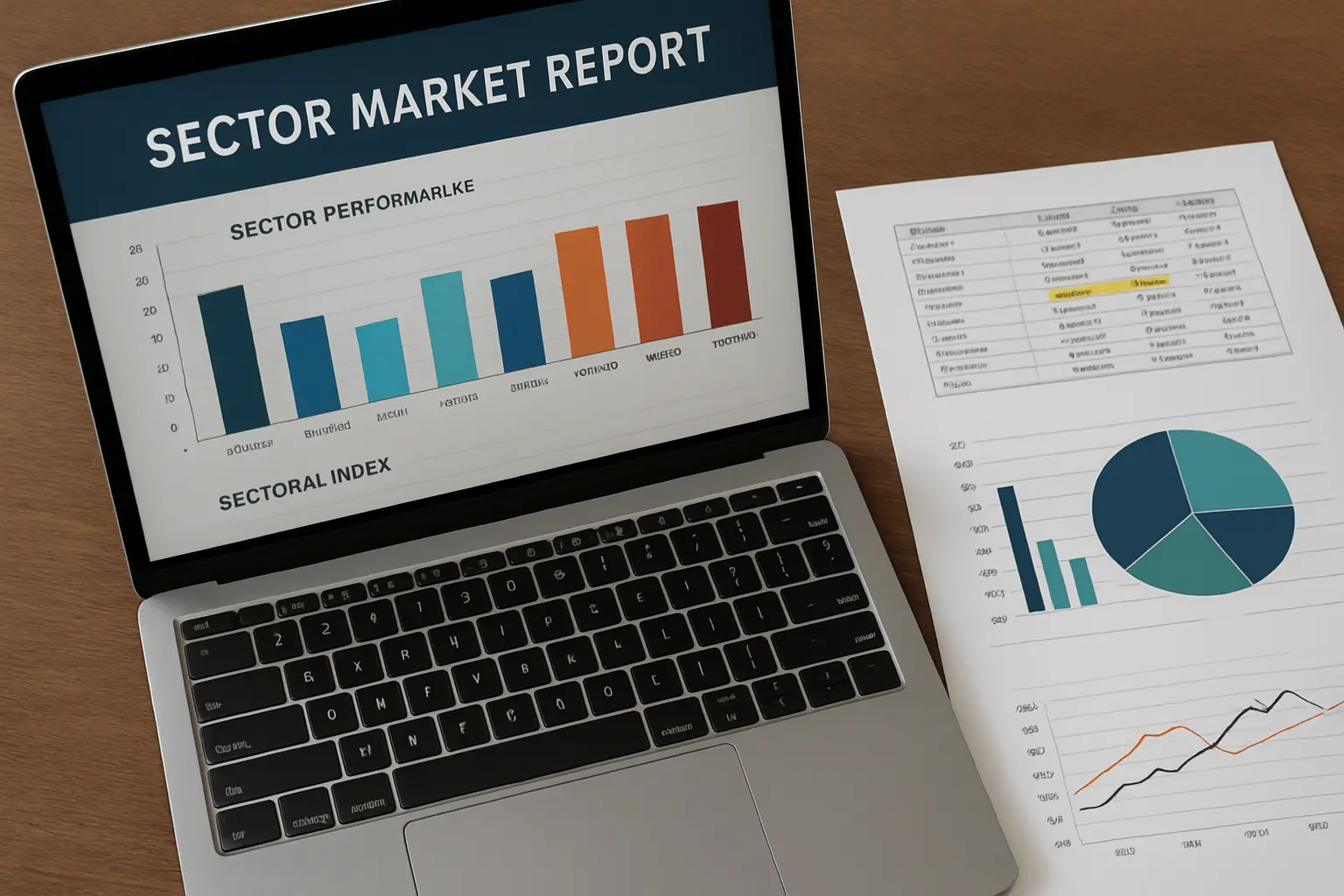
IBEF is a government-backed trade-promotion body, and its sector reports are built to attract investment into named Indian industries, which means they are unusually generous with market-size and growth figures compared with most free sources. For a Chapter 1 industry-background paragraph — the size of the FMCG sector, the growth of e-commerce, the scale of a named category — IBEF’s sector report for that industry is normally the fastest legitimate citation available, and it states its own sourcing (often government ministries, trade bodies or licensed data providers), which you then cite as IBEF’s attribution rather than restating as if IBEF generated the figure itself.
CMIE — household consumption, at a price
CMIE’s Consumer Pyramids Household Survey is the most detailed household-level spending and consumption dataset commercially available for India, and it is the source many published Indian marketing and consumer-behaviour papers actually use for segment-level spending patterns. It is also a paid subscription, so the first move is checking whether your institution’s library already has access before assuming the cost falls on you personally.
NSSO / MoSPI — the free official alternative
The Ministry of Statistics and Programme Implementation’s Household Consumer Expenditure Survey is the free, official counterpart to a paid consumption dataset: published survey rounds report spending patterns by category, state and income class from a nationally representative sample. It updates on the ministry’s own survey cycle rather than continuously, so state clearly in your methodology which round’s figures you are using and when that round’s fieldwork took place.
data.gov.in — the general-purpose government catalogue
The Open Government Data Platform aggregates datasets across ministries and sectors in one searchable catalogue. For a marketing dissertation it is most useful as a starting search point for sector- or scheme-specific datasets (retail, MSME, e-commerce policy data) that a single ministry’s own site might not surface as easily; treat it as an index to the primary ministry source rather than the final citation, and cite the originating ministry where the dataset page names one.
IAMAI — India’s digital-behaviour numbers
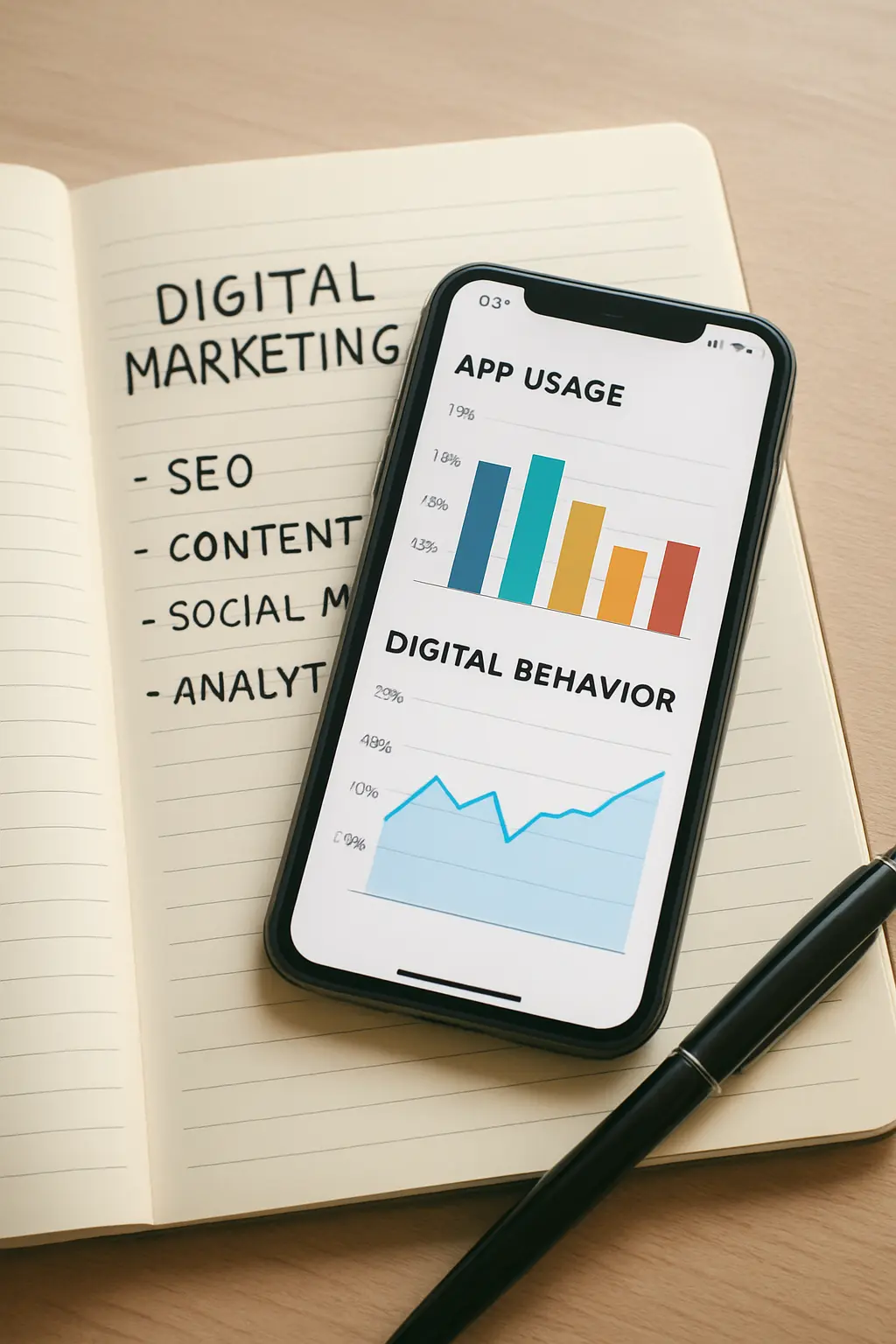
The Internet and Mobile Association of India publishes research on digital behaviour and app usage in the Indian market, including reports such as its India Digital Behaviour research on how urban India’s app ecosystem is shifting. For any marketing dissertation touching digital marketing, e-commerce or app-based consumer behaviour, an IAMAI report is a directly relevant, India-specific source rather than a global figure awkwardly localised.
Google Trends — a demand proxy, not a sales figure
Google Trends reports relative search interest, indexed to its own scale, not absolute search volume and never actual sales or market share. Used correctly — comparing interest in a category across regions, or tracking interest around a launch or seasonal event — it is a legitimate, free, citable proxy for consumer attention. Used incorrectly, as a stand-in for market size or purchase intent, it is the single most common data-source error examiners flag in a marketing methodology chapter. State explicitly in your methodology that a Trends figure measures search interest, not demand or sales, and let the honest label do the work.
University library databases — the secondary-research layer
Where your institution licenses EBSCO Business Source, ProQuest, Euromonitor Passport or a similar database, these hold professionally compiled industry reports, company profiles and market analyses that would otherwise cost significantly more to access individually. Check your library’s database list before assuming a report is unavailable to you; a surprising number of Indian university libraries carry at least one of these even where the university itself is not research-intensive.
Nielsen / NielsenIQ — the retail-audit standard, and its real cost
Nielsen (now largely NielsenIQ in most markets) retail audit data is the industry standard for FMCG market share and sales-tracking figures cited throughout Indian marketing literature and industry reporting, and it is genuinely expensive to access directly as a student. Where a published paper or industry report cites a NielsenIQ figure, that citation itself is a legitimate secondary source for your literature review; direct access to raw NielsenIQ panel data is rarely realistic for a one-year MBA dissertation unless your institution has a specific industry partnership providing it.
Matching your research question to the right source
| Your question | Best-fit source |
|---|---|
| How big is this industry or category in India? | IBEF sector report |
| How does household spending on this category vary by income or state? | NSSO/MoSPI, or CMIE if licensed |
| Is interest in this brand/category rising or falling, and where? | Google Trends (as a search-interest proxy only) |
| What is a named brand’s market share in this category? | NielsenIQ (via a citing secondary source, if direct access is unavailable) |
| How are Indian consumers using apps/digital channels in this category? | IAMAI research |
| What does the existing academic and industry literature say about this market? | Your library’s EBSCO/ProQuest/Euromonitor access |
Once your data sources are fixed, the six-column table linking each objective to the exact indicator and source it needs is covered in our guide to a consistency matrix for an accounting and finance dissertation — the same worked-example approach applies directly to a marketing dissertation’s own objectives.
Frequently asked questions
Do I need paid data access for an MBA marketing dissertation?
Rarely as an absolute requirement. IBEF, NSSO/MoSPI, data.gov.in, IAMAI and Google Trends are all free, and cover industry sizing, consumption patterns, and digital behaviour comprehensively enough for most one-year MBA marketing dissertations. Paid sources like CMIE and NielsenIQ add depth but are not usually mandatory if your topic can be answered with the free sources above.
Can I cite a number from a news article that quotes an industry report?
Trace it back to the original report and cite that, not the news article repeating it. News coverage frequently drops the report’s year, sample or scope in summarising it, and an examiner checking your reference will find the original report, not the article.
How old can a data source be before it is too outdated to cite?
There is no universal cutoff; state the publication year of every figure explicitly and let your reader judge relevance. A three-year-old industry-structure figure may still be reasonable context; a three-year-old digital-behaviour figure in a fast-moving category like e-commerce or social commerce is a much weaker anchor and should be flagged as dated if a more recent figure is not available.
Is Statista a reliable source for a marketing dissertation?
Statista aggregates figures from other primary sources rather than producing most of its own data; where possible, trace a Statista figure back to the primary source it cites and reference that source directly, since Statista’s own attribution sometimes drops details (sample, methodology, year) that the primary report states.
What if I cannot access the data source my topic actually needs?
Say so in your limitations section and either substitute the nearest accessible source or narrow your research question to what the available data can actually answer. A disclosed data-access limitation is a normal, defensible part of a dissertation; an undisclosed data source you never actually consulted is not.
Should I run my own primary survey instead of relying on secondary sources?
Many marketing dissertations combine both: secondary sources for industry-level context and sizing, and a primary survey or interviews for the specific consumer-behaviour question the dissertation actually tests. Secondary data alone rarely answers a specific behavioural hypothesis; a primary survey alone rarely establishes the market context an examiner expects in Chapter 1. If your dissertation includes a primary survey with hypotheses to test, the consistency-matrix approach linked above works from your objectives forward to exactly which secondary or primary source each hypothesis needs.
How does this differ from data sourcing for an MBA topic in another specialisation, like HR or finance?
The sourcing logic is the same — name the exact indicator, then the exact source — but the named sources differ by specialisation. An HR-specialisation MBA project typically needs company-internal data it may struggle to obtain, covered in our guide on what to do when a company will not share HR data; a finance-specialisation project draws on filed financial statements and RBI publications rather than the consumer and retail sources this guide covers. Forty MBA topics graded by exactly this kind of data-access difficulty, across five specialisations including marketing, are catalogued in our guide to MBA dissertation topics with the data you can actually get.
Does IBEF count as an independent or a promotional source?
IBEF is a government-backed trade-promotion body, and its reports are written to attract investment, so state that context if your dissertation critically evaluates a market’s attractiveness rather than simply establishing its size. For straightforward market-sizing and background figures, this promotional framing rarely distorts the underlying numbers it cites from official sources.
Build your data-sourcing section correctly the first time
Naming a source is only half the job; the other half is stating its year, its scope and, where it aggregates a primary source, that primary source too. Tesify helps you structure the data-sources section of your methodology chapter and keeps every citation format consistent as your dissertation grows.