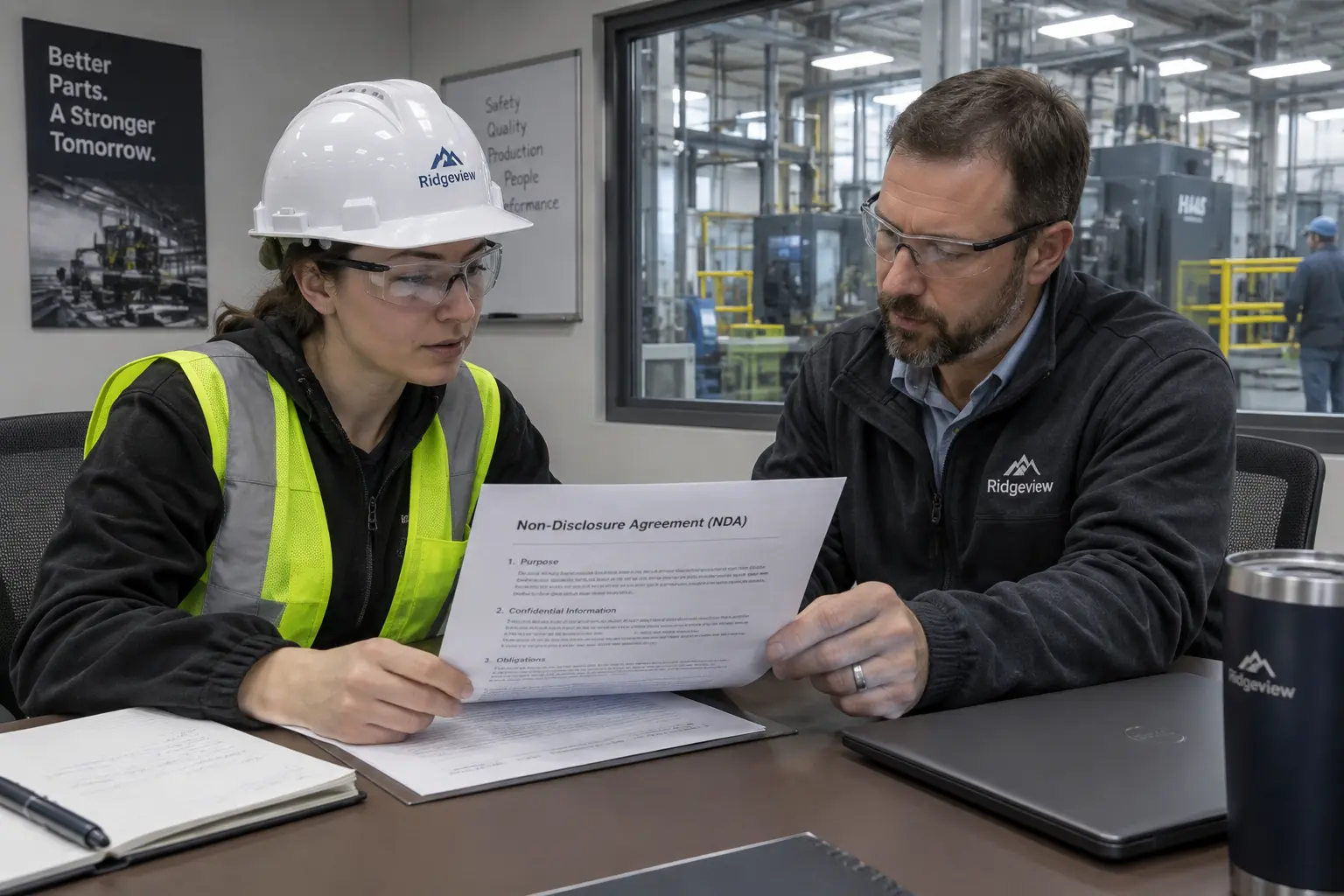
Six weeks from submission, the company that agreed to host your Mechanical Engineering thesis project suddenly will not release the design data you need for your results chapter — a new plant manager, a change in policy, or simply nobody remembering the verbal agreement your supervisor’s contact made eight months ago. This is one of the most common ways an industry-based M.Tech thesis stalls in India, and it usually happens because the access agreement was never actually written down.
Why a Verbal Agreement With a Company Contact Is Not Enough
A company’s engineering, quality or R&D department granting you access to real process data, design files or test results is taking on genuine exposure: proprietary process parameters, unreleased design specifications, or performance data that a competitor could use if it leaked through your thesis. Companies that grant access without formalising it in writing tend to grant it cautiously and narrowly — which is exactly the version that evaporates when the person who approved it changes roles or the data turns out to be more sensitive than first assumed. A written access agreement, even a short one, protects you as much as it protects the company: it is the document you point to when someone new asks “why does this student have our production data,” and it is what your own supervisor can rely on if the company’s position later shifts.
The Access Sequence for an Industry-Based Mechanical Engineering Thesis
- Institutional approval and supervisor sign-off on the specific company and project scope, before any data-sharing conversation with the company gets specific.
- A written access-request letter, on institutional letterhead, stating exactly what you need — which process, which dataset, which drawings or specifications, over what period — and what you will and will not do with it (thesis only, no third-party disclosure, no publication of proprietary specifications beyond what the company approves).
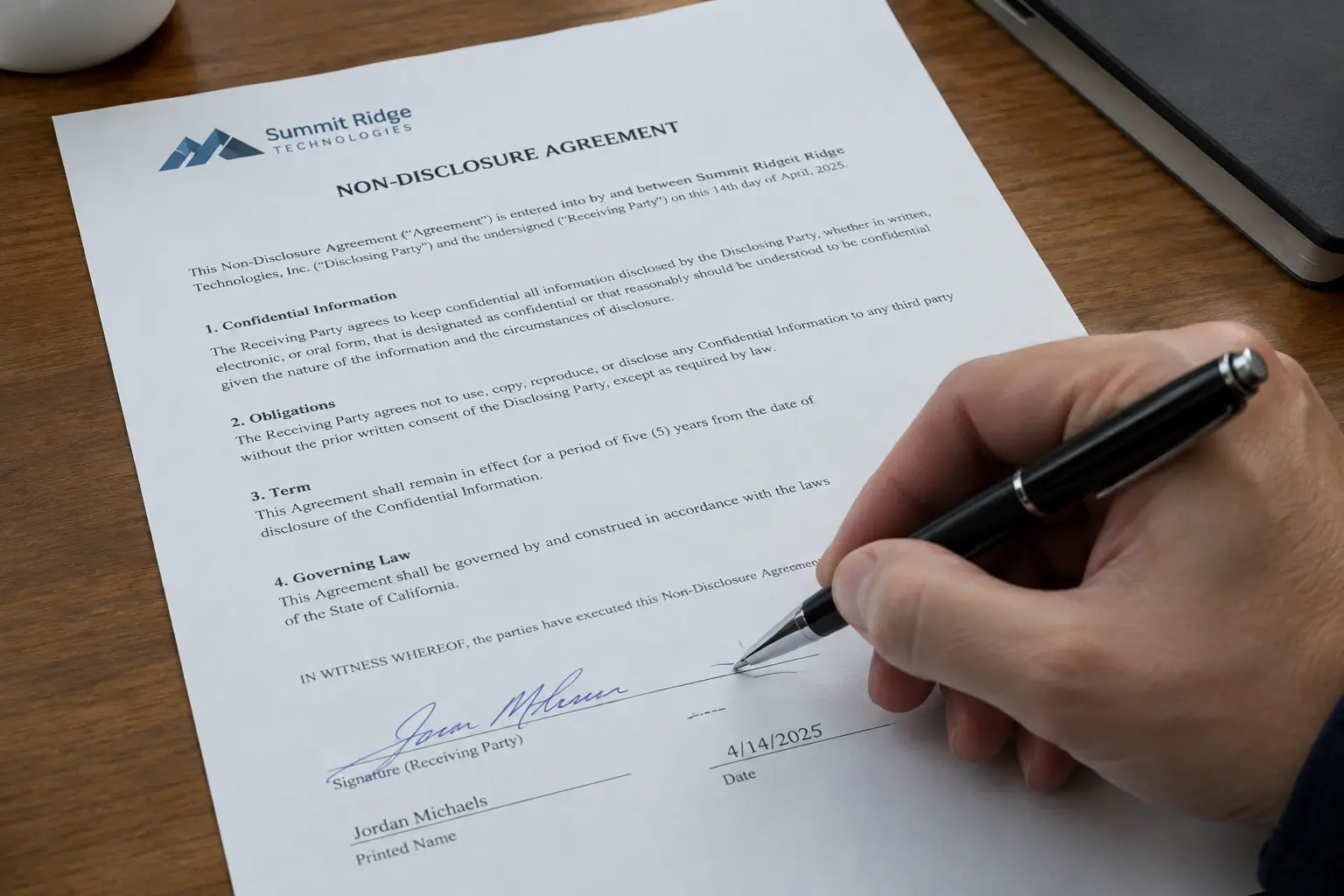
- A Non-Disclosure Agreement (NDA), typically drafted or provided by the company, that you and often your institution sign — read it before signing, and flag any clause that would prevent you from submitting or defending your own thesis, since an NDA drafted for a commercial vendor relationship does not always anticipate an academic submission requirement.
- A data-use and publication clause, explicit about what level of detail may appear in your submitted thesis (which is, after examination, a document your university may archive and in some cases deposit in a public repository) versus what must be anonymised, aggregated, or omitted entirely.
- A named point of contact at the company who reviews your results chapter (or the relevant sections) before submission, if the company’s agreement requires pre-publication review — get this requirement, if any, stated explicitly at the start, not discovered at the end.
What an NDA Actually Does and Does Not Protect, in Indian Law
India has no dedicated trade-secrets statute; confidential business information is protected through contract law, principally the Indian Contract Act, 1872, which means an NDA’s enforceability depends on it being a validly formed contract — clear offer, acceptance and consideration — rather than on any specialised trade-secrets mechanism. A genuine confidentiality obligation (do not disclose this specific information to third parties) is standard and enforceable. What is not straightforwardly enforceable is a clause that goes further and tries to restrict your ability to work in the field, publish your own original analysis, or use general skills and knowledge you gained during the placement — Section 27 of the Indian Contract Act, 1872 provides that every agreement by which anyone is restrained from exercising a lawful profession, trade or business of any kind is to that extent void, and courts have applied this to strike down overly broad restrictive covenants. If a company’s NDA draft reads more like a non-compete than a confidentiality agreement, that is worth raising with your supervisor before signing, not after. Where your institution has its own standard research-collaboration or industry-MoU template, use it as the starting point in your negotiation rather than accepting the company’s own draft unread — ask your department or research office whether one exists before you start.
Data Ownership: Your Analysis vs the Company’s Underlying Data
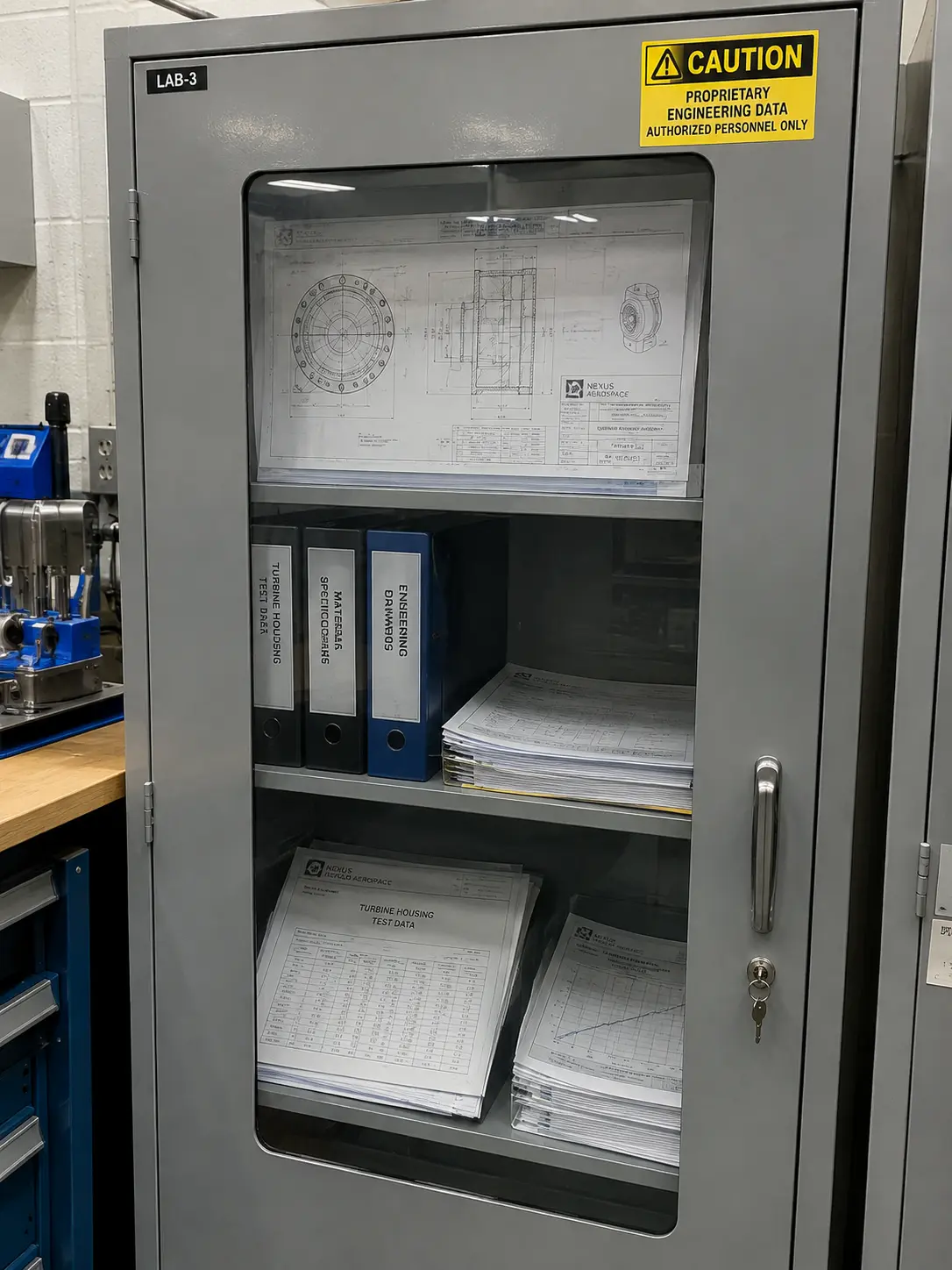
Separate two things explicitly in your access agreement: the company’s underlying data (process parameters, proprietary drawings, test results generated by the company’s own equipment and staff) remains the company’s property, and your agreement should state precisely what level of that raw data may appear in your thesis versus what must stay aggregated, normalised or anonymised; your own analysis, interpretation and any new design work or calculation you personally produced from that data is your intellectual contribution as the thesis author, though if your project resulted in something the company considers a patentable improvement to their process, ownership of that specific output should also be addressed explicitly in the agreement — this is exactly the kind of clause that gets skipped in a rushed verbal arrangement and becomes a dispute later. Where personal data of company employees is involved (interview responses from staff, for instance), check with your ethics committee how the Digital Personal Data Protection Act, 2023 bears on that portion — the Act has a conditional carve-out for research processing — and in any case obtain informed consent and limit retention to what your stated purpose needs.
If Your Project Touches a Potentially Patentable Improvement
Occasionally a company-hosted project produces something genuinely novel enough to be patentable — a design modification, a process improvement, a new test method. This is worth naming explicitly in your access agreement before it happens, not after: host companies commonly expect any patentable output arising substantially from their own equipment, process or proprietary starting point to be owned or co-owned by them, with your institution separately holding whatever rights its own academic-IP policy grants to student work. Making your thesis public before any patent application is filed can put the novelty a patent application depends on at risk — raise this with your supervisor and the company’s own R&D or legal contact the moment a genuinely novel result looks likely, rather than after your viva date is already set.
What to Do When Access Falls Through Anyway
Build a fallback into your proposal from day one: a second company contact identified in advance through your department’s industry network; a narrower project scope that needs less sensitive data (a simulation or a lab-scale replication rather than live production data); or, discussed with your supervisor early rather than at week six, a pivot to a university-lab-based version of the same problem. State this contingency explicitly in your proposal — a committee that sees a stated fallback trusts the project’s feasibility far more than one that assumes industry cooperation will simply continue uninterrupted for a full academic year.
A Worked Illustrative Example: What the Data-Use Clause Actually Says
A fictional worked example, labelled illustrative; every bracketed term is a fill-in, not a real agreement. “[Company name] grants [student name], a student at [university], access to process data from [named process/line] for the sole purpose of an academic thesis on [topic], for the period [start date] to [end date]. The student may present aggregated, normalised or anonymised performance data in the submitted thesis but may not reproduce raw process parameters, proprietary drawings, or named customer information. The student’s original analysis, calculations and design recommendations remain the student’s own intellectual contribution. [Company name] will be given the opportunity to review the relevant results chapter for confidentiality compliance (not scientific content) [X] weeks before the submission deadline.” This version separates raw data from analysis explicitly, states the review right’s actual scope (confidentiality, not grading your work), and gives both sides a concrete timeline rather than an open-ended promise.
How Does This Differ From the Design-Thesis and Methodology-Chapter Guides?
The nine-step process for turning a design-and-fabrication project into a defensible thesis is covered in our guide to a design/prototype thesis in Mechanical Engineering. The overall chapter-by-chapter structure for an M.Tech report is in our M.Tech dissertation report guide. This article covers a different, earlier problem: the paperwork that determines whether you can access a company’s own data at all, and what happens if that access disappears partway through. Once your access is secured and your own experimental or process data starts coming in, choosing the right statistical test to analyse it is covered separately in our decision-table guide to choosing a statistical test — a different, later-stage decision from anything covered here.
An industry access agreement that lives only in an email thread is an agreement that can quietly disappear when the person who made it moves on. Tesify helps you structure the access request and plan your results chapter around what you are actually permitted to publish. Used by 9,000+ students. Write your thesis with Tesify.
Frequently asked questions
Do I need a written agreement even if the company contact is friendly and informal?
Yes — a friendly verbal arrangement is exactly the kind that evaporates when the specific person who approved it changes roles or leaves; a written agreement protects your access even if the relationship stays informal day to day.
Are NDAs legally enforceable in India?
Yes, provided they meet the standard requirements of a valid contract under the Indian Contract Act, 1872 — clear offer, acceptance and consideration. A confidentiality obligation itself is standard and enforceable.
Can an NDA stop me from submitting my own thesis?
It should not, if properly drafted — flag any clause that would prevent submission or defence of your own academic work before you sign, since some commercial NDA templates do not anticipate an academic submission requirement.
Can a company’s NDA legally stop me from working in the same field after graduation?
Generally not through the NDA itself — Section 27 of the Indian Contract Act, 1872 voids agreements that restrain a person from practising a lawful trade or profession, so an overly broad restriction is unlikely to be enforceable, though the confidentiality obligation over specific proprietary information remains valid.
Who owns the analysis and design work I produce from the company’s data?
Your own interpretation, calculations and new design work are your intellectual contribution as the thesis author; the underlying raw data supplied by the company remains theirs. If your work results in something patentable, ownership of that specific output should be addressed explicitly in your agreement.
Does the company get to review my thesis before I submit it?
Only if your agreement grants that right, and typically limited to a confidentiality check on specific sections rather than review of your academic content or grade — state this scope explicitly in the agreement rather than leaving it open-ended.
What if the company withdraws access partway through my project?
Fall back to the contingency named in your proposal — a second company contact, a narrower scope needing less sensitive data, or a university-lab-based version of the problem, discussed with your supervisor as soon as access is at risk rather than at the submission deadline.
Does the Digital Personal Data Protection Act, 2023 apply to an industry-based engineering thesis?
Only to the extent your project involves personal data of individuals — for instance, interview responses from company staff — and even then the Act has a conditional carve-out for research processing; it does not govern proprietary technical or process data itself.