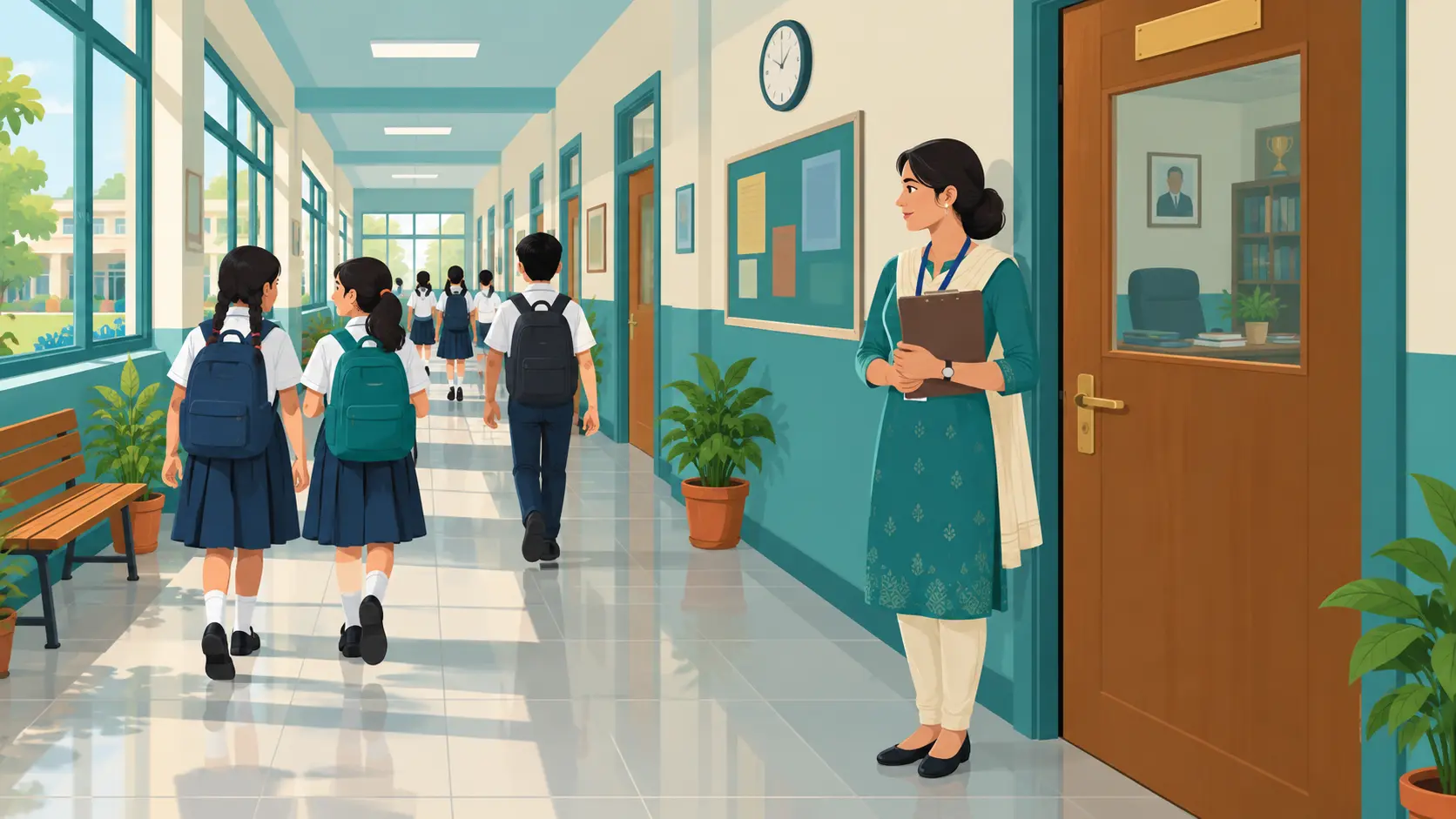
The principal has said “come back next month”, your tool is ready and your data-collection window is closing. For an M.Ed or B.Ed dissertation that takes place in a school, permission is not a formality: it is the step on which most data-collection plans stall, and every week of delay comes out of your analysis and writing time. This guide shows how to get a yes: who must agree, what to put in the permission packet, how to answer the principal’s real worries, what consent and assent you need, and what to do if the answer is still no.
Start your dissertation in Tesify if you want the methodology chapter structured while you wait for the school; the writing stays yours.
Who has to say yes
The layers differ by school type, board and state, so do not assume. Ask the principal or head, in your first conversation, who else needs to agree. In practice the list can include the principal, the school management or trust, a higher authority where the school is government-run or aided, the class teachers whose time you will use, the parents of every student who takes part, and the students themselves. Get each yes in writing, and file the letters, because your guide and your examiner may ask to see them. Nothing in this guide replaces your own institution’s rules or the school’s; where they differ, follow the stricter one.
The permission packet: seven documents
- A covering letter from your institution. On letterhead, signed by your guide or head of department, naming you, your programme and your dissertation title.
- A one-page plain-language summary. What you are studying, why it matters to the school, who will take part, how long it takes and what you will do with the data.
- Your tools. Copies of every questionnaire, test or observation schedule, so the school sees what students will be asked.
- Consent and assent forms. A parent or guardian consent form and, for older students, an assent form in age-appropriate language, in the language the family reads.
- A schedule. The sessions you need, with the shortest possible time away from teaching, and fixed to dates the school chooses.
- A confidentiality statement. No names of students or the school in your thesis unless the school agrees, and where the data will be kept.
- An offer of feedback. A short summary of the findings for the school after the viva.
A labelled template for the first page of your request, with every bracket yours to fill:
To the Principal, [school name]. I am a student of [programme] at [institution] and am conducting a dissertation titled “[title]” under the guidance of [guide name, designation]. I request permission to [administer a questionnaire to / observe / conduct a test with] [number] students of class [x] and [number] teachers during [period], at times chosen by the school so that no teaching time is lost beyond [duration]. Participation is voluntary, written parental consent will be obtained, and no student or teacher will be named in the thesis. The tools and consent forms are attached. I will share a summary of the findings with the school. [Signature, contact details; countersigned by guide.]

What the principal is actually worried about
| Concern | What to offer |
|---|---|
| Lost teaching time | A short schedule at times the school picks, with sessions outside examination periods |
| Parent complaints | Written parental consent, a plain-language note and a contact for questions |
| Student wellbeing | Age-appropriate tools shown in advance and a right to skip any item or stop |
| Reputation of the school | No school or student names in the thesis unless agreed in writing |
| Extra work for staff | You administer everything; teachers only release students |
| Where the data goes | A statement of where it is stored, who sees it and when it is destroyed |
Answer each concern in the packet, in advance. Principals who say no most often do so because they cannot see how the study is contained, not because they dislike research.
Consent, assent and the data protection law
Students under 18 cannot give consent alone for research in the usual sense. Obtain written consent from a parent or guardian, and explain the study to the students and ask for their assent, which they can withdraw. Your institution’s ethics rules decide the exact forms; our guide to getting ethics committee clearance for an Indian thesis explains how clearance works.
The Digital Personal Data Protection Act 2023 is now part of the picture. It defines a child as an individual who has not completed the age of eighteen years (section 2(f)); it requires a data fiduciary, before processing a child’s personal data, to obtain verifiable consent of the parent or lawful guardian (section 9(1)); and it bars tracking or behavioural monitoring of children (section 9(3)). The Digital Personal Data Protection Rules were notified on 14 November 2025, and under the Act’s staged commencement its remaining provisions, including those on children’s data, take effect from 13 May 2027. Section 17(2)(b) says the Act does not apply to processing necessary for research, archiving or statistical purposes where the personal data is not used to take any decision specific to an individual and the processing follows prescribed standards.
Whether and how these provisions apply to a student researcher is for your institution’s research office or legal adviser to say, so ask them rather than rely on this summary. The practical lesson is the one good research practice already teaches: collect only what you need, do not collect names or identifiers you will not use, keep forms and data secure, and keep parental consent on file.
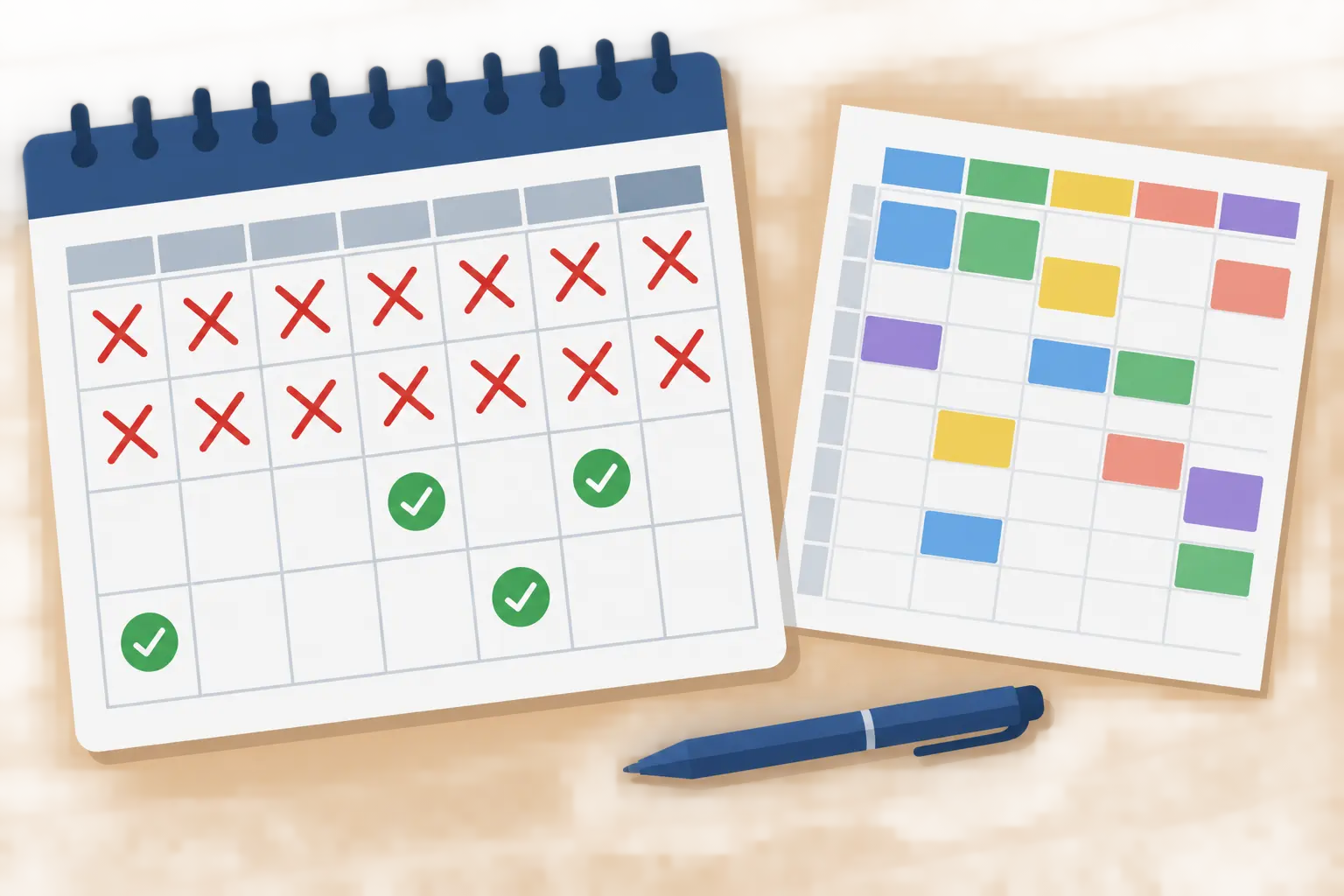
Timing: work backwards from the school calendar
- Ask early. Request permission before your tool is final; schools take time to answer.
- Avoid examinations and holidays. Ask the school which weeks are unusable.
- Leave time for consent forms. Forms go home, come back signed, and some do not come back. Allow a week or more and a reminder.
- Pilot in a different school. Your pilot group must not be in your main sample.
- Keep a buffer. One cancelled session should not end the study.
For how a school-based design fits into a whole M.Ed project, see our worked proposal in the guide to the M.Ed research proposal, and for a B.Ed project that takes place in your own practice class, our guide to the action research project in your B.Ed file.
A short script for the first conversation
Many refusals happen in the first two minutes, so prepare what you will say. Introduce yourself and your institution, state the study in one sentence, say exactly what you are asking for and for how long, and then stop and let the principal respond. A sample opening: “I am a student of [programme] at [institution]. My guide, [name], has signed the attached letter. I would like to give a [30-minute] questionnaire to [number] students of class [x], at a time you choose, with parental consent. May I leave the summary and the tool with you so you can decide?” Leave the packet, ask when you may call back, and write down the date. If the principal asks for changes, make them the same week; a quick revised packet shows the same care you will bring to the school’s students.
If the school still says no
- Ask what would change the answer. A shorter tool, a different class or different weeks may turn a no into a yes.
- Try another school of the same type. Keep the permission letters of both, and describe the change in your methodology.
- Change the population. Teacher trainees in your own institution, or teachers rather than students, may be easier to access, but the objectives and the title may have to change with them.
- Use data that already exists. Where a design allows it, use published or institutional records.
If your study is in a rural government school, where access has its own constraints, our guide to an M.Ed thesis on rural government schools covers setting, access and instruments. Whichever route you take, tell your guide before changing anything, and record each change of school or population with its date in your research log.
What to write in the methodology chapter
Your methodology should say how access was obtained, from whom, and what each party agreed to. A labelled template:
Permission to conduct the study was obtained in writing from [the principal and the management of the school] on [date] (Appendix [n]). Written consent was obtained from the parents or guardians of all [number] participating students and assent from the students themselves (Appendix [n]); [number] forms were returned and [number] students participated. Teachers gave written consent. No names were collected on the tools; [identifier method]. Data were stored [where and how] and will be destroyed [when]. The school was offered a summary of the findings.
Describe the population and the sample in the same section, stating how the school and the students were selected and how many consent forms came back. For tools suited to school students, see our guide to standardised tools for an M.Ed dissertation.
Five mistakes that cost weeks
- Asking without a letter from your institution. The school cannot verify you.
- Arriving without the tool. Principals want to see what students will be asked.
- Starting before the consent forms are back. Data collected without consent cannot be used.
- Promising anonymity you cannot keep. If identifiers will be stored, say so.
- Not telling your guide about changes. A changed school or sample must be approved.
Getting the chapters moving while you wait
Waiting for permission does not have to stop the thesis. The review, the framework and most of the methodology can be written now. Tesify helps you structure those chapters and assists you as you write your own wording. More than 9,000 students have used it, it has supported 15,000+ chapters, and every word of your dissertation stays 100% written by you.
Start your dissertation in Tesify
Frequently asked questions
Who gives permission to collect data in a school?
It depends on the school type, board and state. It usually starts with the principal and may include the management, a higher authority for government or aided schools, teachers and parents. Ask the principal who else must agree and get each approval in writing.
What should a permission letter to a school contain?
Your name, programme and institution, the dissertation title and guide, what you will do with whom and when, the time required, confidentiality arrangements, and a signature from your guide, with the tools and consent forms attached.
Do I need parental consent for school students?
Yes, for students under 18. Obtain written consent from a parent or guardian and the student’s own assent, following your institution’s ethics rules.
What does the Digital Personal Data Protection Act say about children?
It defines a child as under 18, requires verifiable parental consent before a data fiduciary processes a child’s personal data, and bars tracking or behavioural monitoring of children. The Rules were notified on 14 November 2025, and the Act’s remaining provisions, including those on children’s data, take effect from 13 May 2027. Ask your institution how this applies to your study.
Is there an exemption for research?
Section 17(2)(b) says the Act does not apply to processing necessary for research, archiving or statistical purposes where the data is not used for decisions specific to an individual and prescribed standards are followed. Confirm applicability with your institution.
What if the principal refuses?
Ask what would change the answer, try another school of the same type, or change the population, and tell your guide before altering anything.
When should I ask for permission?
As early as possible, before your tool is final, and outside the school’s examination and holiday periods.
Can I name the school in my thesis?
Only if the school agrees in writing. The safer default is to describe it by type and location without naming it.
Is it acceptable to use a writing tool while waiting for permission?
Your university’s rules decide. Tesify helps you structure your chapters and assists as you write, and every word you submit is 100% written by you. See our guide to AI and thesis writing in India for the integrity rules.
Where do I keep the permission letters?
In your appendix and in a secure folder, because your guide or examiner may ask to see them.